Summer Parenting Without Losing Your Mind
APPLE PODCASTS | YOUTUBE | SPOTIFY
The Working Mom’s Guide to a Summer That Doesn’t Feel Like Survival Mode
Summer sounds magical until you’re the one responsible for holding it all together.
No school. No bus. No structure. No built-in routine quietly carrying your family through the day.
Instead, every open hour becomes another thing to solve:
What are they doing?
Who’s watching them?
Why is everyone already on a screen?
What’s for lunch?
Why is someone saying “I’m bored” at 9:14 AM?
I’ve done 16 summers as a working mom, and I can tell you this with complete confidence:
The summers that felt good weren’t the ones where everything was perfect.
They were the ones where I had a plan.
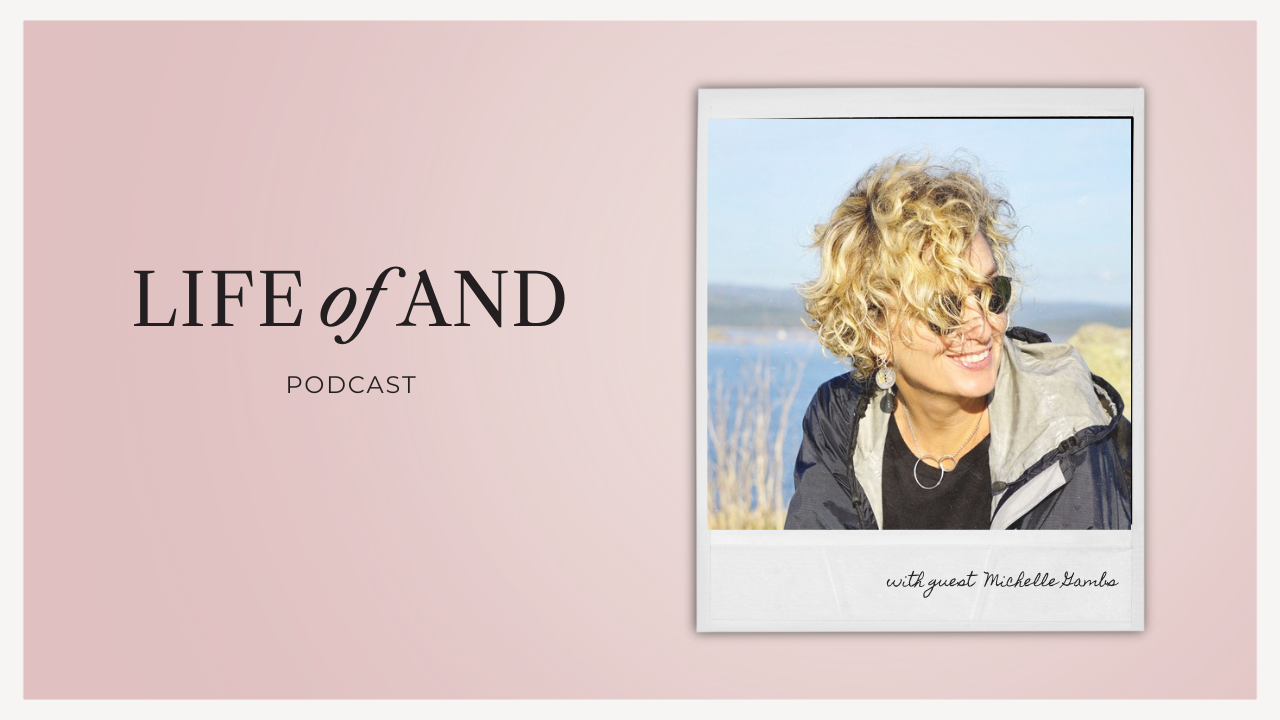
In this week’s episode of Life of And, I sat down with psychotherapist and parenting coach Michelle Gambs to talk about how to stop surviving summer and start parenting it well. And honestly? This conversation hit me right between the eyes.
Because summer doesn’t need to be a free-for-all.
And it definitely doesn’t need to become three straight months of nagging, reacting, and feeling guilty.
Here’s what I’m taking with me into this season.
Predictability Creates Peace
One of the biggest shifts Michelle talked about was this idea that school quietly provides an invisible infrastructure for our families.
During the school year:
- Kids know when they need to wake up
- Meals have structure
- Expectations are built in
- The day already has rhythm
Then summer arrives and suddenly every hour becomes negotiable.
Michelle said something that stuck with me:
“Predictability creates peace.”
Not rigid schedules.
Not overscheduling every second.
Just enough structure so everyone knows what to expect.
That’s why going into summer without a plan feels chaotic so quickly. Someone has to create the framework—and if you don’t do it proactively, you’ll spend the entire summer microsolving every day.
You Are Not Your Child’s Cruise Director
This part of the conversation was such a needed reminder.
Michelle talked about how many parents feel pressure to become the “cruise director” of summer:
Camp every week.
Constant entertainment.
Activities all day long.
No downtime.
No boredom.
But boredom isn’t actually the enemy.
In fact, Michelle said:
“Boredom is a healthy thing to have.”
That one stopped me in my tracks.
Because so many of us—especially working moms—hear “I’m bored” and instantly feel guilty.
Like we’ve failed.
Like our kids are bored because we’re distracted or working or not doing enough.
But boredom isn’t proof you’re failing.
It’s often the beginning of creativity, independence, and problem-solving.
Michelle’s advice?
When your child says:
“I’m bored.”
Don’t rush to entertain them.
Instead say:
“I wonder what you’ll do about that.”
Not in a harsh way.
Not dismissively.
Just calmly handing the problem back to its owner.
Because when we solve every problem for our kids, we rob them of the opportunity to build capability.
Stop Nagging and Start Setting Bookends
Another huge takeaway for me was Michelle’s concept of “bookends.”
Instead of constantly reminding and nagging, create:
- a clear expectation
- a window of flexibility
- and a known consequence
Example:
“By 10 AM, everyone needs to be dressed and teeth brushed.”
Inside that window? Freedom.
After that? Consequence.
The goal isn’t control.
It’s clarity.
Because when expectations are unclear, moms become full-time reminder systems.
And nobody likes that version of family life.
Michelle said something I loved:
“If I’m sick of saying it, they’re sick of hearing it.”
Whew.
Screens Are a Summer Battle—So Plan for It
Let’s just say it plainly:
Technology is one of the hardest parts of modern parenting.
And summer amplifies it.
Michelle framed screens in a way I haven’t stopped thinking about:
“You are placing yourself between your child and an addiction.”
Not because you’re controlling.
Not because you’re mean.
Because it’s your job.
Her biggest advice:
- Don’t introduce screens early in the day
- Create clear limits ahead of time
- Treat technology as a privilege, not a right
- Stop lecturing
And when boundaries get broken?
Don’t escalate.
Just calmly say:
“No problem. It won’t be available tomorrow.”
No giant emotional speech.
No shame spiral.
No power struggle.
Just consistency.
Honestly, that level of calm feels revolutionary.
Summer Is Also a Season for Teaching
One of my favorite parts of this conversation was reframing summer as more than just “keeping everyone alive.”
Summer can be a training ground.
Michelle shared this visual of parenting as gradually handing over responsibility year by year:
- toddlers learn to dress themselves
- kids learn chores
- teens learn cooking, laundry, and life skills
And summer gives us the margin to actually teach those things.
This year, my older girls are taking over dinner one night a week.
Will it take forever?
Absolutely.
Will the kitchen be a disaster?
Probably.
Will they gain confidence and capability?
Without question.
That’s the point.
You Are Also a Customer of Summer
This may have been my favorite reminder of the entire episode.
As moms, we often build summer completely around everyone else.
Their camps.
Their schedules.
Their activities.
Their memories.
And then we hit Labor Day exhausted and resentful.
Michelle reminded me:
“You too are a customer of summer.”
You matter in this season too.
Your rest matters.
Your joy matters.
Your hobbies matter.
Your capacity matters.
So before the calendar fills itself:
Ask yourself what you want summer to feel like.
Then put it on the calendar first.
Final Thoughts
Summer does not have to become three months of chaos and conflict.
But it won’t organize itself either.
The families who enjoy summer most usually aren’t the ones with the most money or flexibility.
They’re the ones who made intentional decisions early.
Decide:
- what matters most
- what your kids are capable of
- what boundaries you’ll hold
- what rhythms your family needs
- and what kind of summer you actually want to create
Because you don’t need a perfect summer.
You just need a proactive one.
And maybe—just maybe—this could be your best one yet.

[00:00:00] Michelle Gambs: Boredom is a healthy thing to have. You get creative, you learn a lot about yourself. You need space and time, so scheduling and structuring a kid's day or week or summer so that there is none of that space, white space is not a healthy, productive thing for your child. Let's say you come to me as my child and you say, I'm bored. [00:00:21] Michelle Gambs: I want every parent's response to be, what will you do about that? [00:00:26] Tiffany Sauder: I am Tiffany Sauder, entrepreneur, wife, mom, to four girls and a woman figuring it out just like you. Come on, let's go build your [00:00:33] Michelle Gambs: Life of And. [00:00:35] Tiffany Sauder: I have said this before, and I mean it literally every time. Summer is the hardest season to be a working parent. [00:00:42] Tiffany Sauder: There's no bus, there's no schedule. There's no structure that school provides without you having to build it yourself. And every open hour is an invitation for someone to be bored on a screen and an argument or wandering into your office asking what's for lunch. I've done 16 summers as a working mom, and the ones that worked were the ones where I look back and think that was actually a great summer, or the ones where I had a plan, the right mindset going in. [00:01:10] Tiffany Sauder: Today, Michelle Gams is back and we're talking about how to parent well. In the summer season, not just survive it, actually parent it. Well, technology boundaries, boredom, teaching and training your kids to do more and how to stop spending the whole summer nagging, cleaning up and like, honestly, just stressed out. [00:01:27] Tiffany Sauder: If you're new to Michelle's work and style, she's a psychotherapist, a parenting coach, and a rare expert who can translate 20 years of clinical training into something you can actually use on a Tuesday night when everything is falling apart. If you haven't heard of other episodes, the links are in show notes. [00:01:42] Tiffany Sauder: You're gonna love her. You're gonna love them, and let's get to it. Here we go, Michelle. We're gonna talk parenting and summer. Yes, let's thanks for joining me, Uhhuh. Okay, so I think about going into summer. There is a day, we all know summer's gonna start last day of school hits, and there is almost this invisible infrastructure that comes with. [00:02:03] Tiffany Sauder: School day, the kids know what time they need to be dressed by. There's kind of a force simplicity for a lot of us on what breakfast is. They decide either the school decides what they're gonna eat for lunch or they have to decide it before they pack their lunch. Like there's all these questions taken out of a day with a school structure. [00:02:21] Tiffany Sauder: So. My question to you is like, how, how do we move it from a free for all? Mm-hmm. And all of this, like microso, which we were talking about a little bit even before we pushed record here, and how do we go into summer with a real plan with our kids for ourselves, for all the time available? [00:02:41] Michelle Gambs: These are great questions, and again, I think we, we need a balance of any of it because. [00:02:47] Michelle Gambs: I don't know. Do you remember the Love Boat? Julie McCoy on the Love Boat? [00:02:50] Tiffany Sauder: I mean like, I know about it, but I'm just behind [00:02:53] Michelle Gambs: it because it's like a cruise director. Like many parents think that they're meant to be cruise directors of their children's lives and keep everything structured, and they're gonna be in this camp, which it's not really camp. [00:03:03] Michelle Gambs: I have a problem with that. It's like a class. You're not in camp. Camp is like away in nature. Mm-hmm. This is not a camp. This is like a class you're taking. Mm-hmm. You know, and that they need a camp, class, camp, whatever, every week to keep them busy and. Yeah, I don't agree with that. We do need plans. We do need structure and predictability brings peace. [00:03:23] Michelle Gambs: Mm-hmm. That's what you're talking about. School provides. There's predictability and expectations and none of that happens in the summer, which is a gift and it can make y'all crazy. So, yes. [00:03:34] Tiffany Sauder: So I think there's a couple things here. One is parents send kids to camp. Sometimes as a proxy for childcare. [00:03:42] Tiffany Sauder: Mm-hmm. It's like, Hey, look. [00:03:43] Michelle Gambs: Yeah. Necessary. [00:03:44] Tiffany Sauder: I need them to be able to go here. I think sometimes we're afraid to have them home. [00:03:49] Michelle Gambs: Mm-hmm. [00:03:50] Tiffany Sauder: If you work from home, because [00:03:52] Michelle Gambs: Yep. [00:03:52] Tiffany Sauder: It feels like the door became transparent. And you're just like out. I don't wanna feel the kid's disappointment that I can't play with them. [00:04:01] Tiffany Sauder: I don't wanna have to tell them No all day long that I can't go do something like that. Creates this inner tension, [00:04:07] Michelle Gambs: guilt [00:04:08] Tiffany Sauder: with the parent. [00:04:08] Guilt. [00:04:08] Michelle Gambs: It's not just summer. Tiffany, this is a real issue I think too with working at home with children, period, because you're asking a lot of a child to keep away from. [00:04:21] Michelle Gambs: You, the safe human that's meant to provide these things. And so yeah, you feel it. They feel it. I never felt the same when my children are around versus when they're not. Like I have a different piece in terms of focus of if I'm gonna be working. Yeah, [00:04:34] Tiffany Sauder: that's true. [00:04:35] Michelle Gambs: Than when they are around because you can't turn that off, especially as a, as a mother like. [00:04:41] Michelle Gambs: You're just in that mode. And so to me, I think that's a hard thing. I understand all that. Like you need to leave or they need to leave if there's work going on. Okay. In my opinion, period, to be cleaner with the boundaries. Mm-hmm. I think that's too much to expect. Especially small children. They don't have a clue. [00:04:57] Tiffany Sauder: You know? That's so interesting when you frame it that way of like to ask them to be away from their safe human. Because that is not how you think about it as a parent. Like, I have someone here to watch you. Can you just please stay there? So you are saying if you do work from home, if that's your normal infrastructure, maybe work from a coworking space during the summer. [00:05:17] Michelle Gambs: Yeah, absolutely. [00:05:18] Tiffany Sauder: So that, that tension is not inherent. We cannot remove it. It's part of the connection between parent and child. [00:05:26] Michelle Gambs: Save yourself. [00:05:27] Tiffany Sauder: I think that's an interesting thing. So if our kids are gonna be home, we can't create some structure around it where they're just gonna be able to entertain themselves. [00:05:35] Tiffany Sauder: Somebody needs to go somewhere. How do we set expectations? Like from a parenting perspective? [00:05:40] Michelle Gambs: Yep. [00:05:41] Tiffany Sauder: To say we need to be among the living. [00:05:45] Michelle Gambs: Mm-hmm. [00:05:46] Tiffany Sauder: At a certain time. And here's what I mean by that. It means you need to be outta bed. Do you need to? How do we manage giving our kids, maybe this is more clearly said, how do I manage having clear expectations mm-hmm. [00:05:57] Tiffany Sauder: Of structure? Because that does create peace and expectation. Yep. And also know they're kids. This is a season for them to sleep in a little. This is a season for them. Mm-hmm. A teenager to be able to teenage a little bit. Mm-hmm. How, how do we think about that? Yeah. From a parenting perspective. [00:06:12] Michelle Gambs: Okay. So first again, you have a range. [00:06:14] Michelle Gambs: So we have teenage expectations, then we have these younger kids in your family. [00:06:18] Tiffany Sauder: Yep. [00:06:18] Michelle Gambs: Okay. That are different to me. [00:06:19] Tiffany Sauder: Yep. [00:06:20] Michelle Gambs: Because the bio rhythm and the circadian rhythm changes for a teenager. That's different for your 5-year-old. She's gonna be up early and the other ones are not. [00:06:27] Tiffany Sauder: Mm-hmm. [00:06:27] Michelle Gambs: That's a reality. [00:06:28] Michelle Gambs: That [00:06:28] Tiffany Sauder: is [00:06:28] Michelle Gambs: true. You don't want the same, you're not gonna give the same expectation. In my opinion, that's not realistic. And I agree with you. I like the concept of bookends, like if you think for any kind of boundary with kids that there's bookends within the bookends, they have freedom of choice, but these are the framework, so within the structure. [00:06:49] Michelle Gambs: So for me. When we talk about nagging, like nobody wants to do that. You don't wanna do it, they don't wanna hear it. So let's all be clear that is not welcomed, period. And so how do we circumvent that? Okay, so if I'm sick of saying it, they're sick of hearing it. And I would have to remind myself that if I'm sick of saying it, they're sick of hearing it and I need to do something different. [00:07:11] Michelle Gambs: So for instance. With my kids running around in their pajamas and they haven't brushed their teeth and they're just, you know, it's like, this is summer and you want them to be free. And I just finally said, okay, here's the deal. You two by 10 o'clock in the morning, if you have not brushed your teeth and gotten yourself prepared for a day, you will not be having Sweetss sugar in a mouth that hasn't been cared for. [00:07:35] Michelle Gambs: 'cause I'm not reminding you. [00:07:37] Tiffany Sauder: Mm-hmm. So you articulate the expectation. Mm-hmm. Give them flexibility up until [00:07:42] Michelle Gambs: Yes. [00:07:42] Tiffany Sauder: This thing [00:07:43] Michelle Gambs: bookend within [00:07:44] Tiffany Sauder: a friend and then you define a consequence if they don't do it. Yes. I'm not gonna remind you. I'm not gonna tell you. You know the thing. Yeah. This just is the thing. [00:07:51] Michelle Gambs: That's right. No nagging. [00:07:54] Tiffany Sauder: So the other thing I wanna is that you told me. In a previous conversation, let the kid pick the consequence. [00:08:03] Michelle Gambs: Not exactly. [00:08:04] Tiffany Sauder: Tell me what you said. [00:08:05] Michelle Gambs: Say, say more. [00:08:06] Tiffany Sauder: I'll tell you what I remember. Yeah, tell me what you remember and I'll tell you what I did and it worked very well. So maybe then remind me what it is that maybe you said is like. [00:08:13] Tiffany Sauder: So this happened a couple months ago. Quincy lied to me. [00:08:16] Michelle Gambs: Yes. [00:08:16] Tiffany Sauder: And she, she knew it. And I was like, honey, there's gonna be a consequence. And then I, my brain just sort of broke. I couldn't think of anything that good, [00:08:25] Michelle Gambs: right? Yeah, yeah. You freeze [00:08:27] Tiffany Sauder: because you, you have said, you've trained me well to say that consequence needs to be tied to the. [00:08:32] Tiffany Sauder: To the inflect fraction or whatever the con that Yeah. [00:08:35] Michelle Gambs: Related to it. [00:08:36] Tiffany Sauder: Yes, yes, [00:08:36] Michelle Gambs: please. [00:08:36] Tiffany Sauder: Related. And I was just like, I don't know. And I was like, what do you think the consequence should be? And she ha, she ended up picking, I, I don't think I should have any sweetss for the rest of the day. Okay. She's not really tied to lying, but her self-management of that consequence was to an impeccable level of care. [00:08:54] Michelle Gambs: Mm-hmm. She chose it [00:08:55] Tiffany Sauder: because I had let her choose it. [00:08:57] Michelle Gambs: That's right. She has power. [00:08:58] Tiffany Sauder: So, yeah. So maybe that is not, maybe I misremembered. No, you're doing [00:09:02] Michelle Gambs: great. [00:09:02] Tiffany Sauder: The rule, but that was an interesting thing for me to watch play out. 'cause she told everybody for the rest of the day, I can't have any sweets because I lied to mom. [00:09:11] Tiffany Sauder: She even wrote me a little apology card. [00:09:13] Michelle Gambs: Okay. [00:09:14] Tiffany Sauder: She felt it so acutely and she had such ownership over the consequence. I was not left to nag because she, okay, I [00:09:20] Michelle Gambs: love that. [00:09:21] Tiffany Sauder: So remind us then what the principle is. Okay. When it is safe to let the child. I don't know if choose from a list of consequences or come up with their own, but it was very interesting to watch it play out. [00:09:31] Tiffany Sauder: She's five. [00:09:32] Michelle Gambs: I love that. For you and her, that's an option. I'm just saying I don't want it to be the own open-ended. Let your kid choose their consequence. 'cause I do want it to be related for the most part. And sweets aren't related to lying. Right. You know, so that, but you know, I've had kids, if you ask them what? [00:09:48] Michelle Gambs: What should happen? Well you can spank me. We're not gonna do that. You know, like, yeah. Yeah. So it's like I'm not opposed to having their input, especially if they're accustomed to consequences. What do you think should happen? I think that's great actually. So, and it doesn't have to come from them. [00:10:03] Tiffany Sauder: So to keep us from nagging, which is just saying, I'm repeating it over and over and over again, and I feel like I'm saying this into the abyss. [00:10:10] Michelle Gambs: Yes. [00:10:11] Tiffany Sauder: We're gonna set up. A range of, Hey, this is sort of the tolerance window. [00:10:15] Michelle Gambs: Yep. [00:10:16] Tiffany Sauder: And then when you're designing the consequence, you can stop and say, these are kind of where I'm headed. [00:10:21] Michelle Gambs: Yes. [00:10:21] Tiffany Sauder: Anything you'd like to put on the list of things we could consider. Yeah. But we're not gonna decide it at the end point of infraction. [00:10:27] Tiffany Sauder: We're gonna decide it before. [00:10:29] Michelle Gambs: Okay. Yes. Is that right? I think that's great. I think that's great. And you can do it either way. Okay. But I'm just saying, giving kids expectations around summer, like days, and especially like your little, she doesn't know. A calendar of what's coming, your 5-year-old, you know, so it's kinda like, you kind of gotta give her a little heads up about, this is a mommy day, this is a class day, this is a whatever tomorrow. [00:10:52] Michelle Gambs: Is that to give her some predictability instead of the wake up in the morning and go, Hey, that's what's, guess what's happening? Like. She needs a little notice too. Mm-hmm. Mm-hmm. You know, like predictability creates peace and calm and ease and safety and I don't want every minute structured. Can we talk about boredom? [00:11:08] Michelle Gambs: Yes. Okay, let's talk [00:11:08] Tiffany Sauder: about that. [00:11:09] Michelle Gambs: So, I got a problem with this because boredom is a healthy thing to have. Very healthy, you get creative, you learn a lot about yourself. You need space and time. So scheduling and structuring a kid's day or week or summer. So that there is none of that space, white space is not a healthy, productive thing for your child. [00:11:32] Michelle Gambs: So let's say you come to me as my child and you say, I'm bored. I want every parent's response to be, what will you do about that? Do not solve their problem. Don't offer any solutions. 'cause if I say to you, Tiffany, well Quincy, you could, you know, color or you could, you know, use that sewing thing we got, or you could go outside on the swings. [00:11:57] Michelle Gambs: How many of those are you gonna pick? [00:11:59] Tiffany Sauder: None of them. [00:12:00] Michelle Gambs: None. Because I set 'em, because that's about power. [00:12:04] Tiffany Sauder: Yeah. [00:12:04] Michelle Gambs: She needs to choose for herself. You say I'm bored. Yeah. That sounds it sounds like a problem for you. I wonder what you'll do, [00:12:10] Tiffany Sauder: but at that age, do they have the ability to think of stuff? Yeah, because I, I feel like my kids forget the stuff we have. [00:12:17] Tiffany Sauder: Like, Hey, go look in the game closet. Go look in. [00:12:19] Michelle Gambs: Mm-hmm. Oh, under four, they need help. Over four. They don't. [00:12:23] Tiffany Sauder: Okay. [00:12:23] Michelle Gambs: If you want to, do you want some ideas, Quincy, she'll go, no. And stomp away. [00:12:28] Tiffany Sauder: Mm-hmm. [00:12:29] Michelle Gambs: Or she'll go, yeah. Do you have any ideas? I promise you she's not gonna do any that you say. [00:12:34] Tiffany Sauder: Even if she says yes, I want your ideas. [00:12:35] Michelle Gambs: Yeah, yeah. Just see for fun. [00:12:37] Tiffany Sauder: Okay, I'll [00:12:38] Michelle Gambs: do that. But it's because they resist. I mean, she might be open. [00:12:41] That's [00:12:41] Tiffany Sauder: true. They resist, but do kind of hate everything [00:12:42] Michelle Gambs: they do you say because it's about power. That's the only reason I need to choose it. That's why I'm saying save yourself, save your energy. Don't say give the problem back. [00:12:51] Michelle Gambs: Think of it like problems have owners. This is not just you with your children. This is anywhere. Problems have owners. So me being bored, I'm trying to lobby my problem. Tiffany. Think of it like a tennis ball. Give me back the ball. [00:13:06] Tiffany Sauder: So boredom is a power word, actually kind of. [00:13:09] Michelle Gambs: Kind of. I want you to solve my problem. [00:13:11] Tiffany Sauder: That's so true. [00:13:12] Michelle Gambs: I want you to solve my problem. [00:13:13] Tiffany Sauder: Yes, [00:13:14] Michelle Gambs: I have all these problems. Could you just solve if I'm helpless and I'm a victim and can you just solve my problems for me and I'm gonna resist everything you say? [00:13:22] Tiffany Sauder: And I think as working parents, we take it a step further in that we imagine parents who aren't working, their kids aren't bored. [00:13:28] Tiffany Sauder: And so we make this like a identity thing where it's like, my kids are bored because I'm working and distracted. You know what? It'll be like snowball into it. Not only becoming the issue about the kid being born. Bored. Bored. That is a different conversation. An issue about the kid being bored. That's so good. [00:13:49] Tiffany Sauder: Um, [00:13:50] Michelle Gambs: yeah. [00:13:50] Tiffany Sauder: But we make it about even our own insecurity. Right. And that maybe we created this moment. Oh, it's, I don't you think that's true? [00:13:59] Michelle Gambs: Oh, it's the biggest feeling stopper for parents is solving the child's problem. Because you want to relieve their pain and suffering. Mm-hmm. And I don't want you. And so then it says something about me. [00:14:10] Michelle Gambs: If I let you sit in pain and suffering, no, let 'em don't solve their problems. 'cause then you're robbing them of an opportunity to build muscle. So she's building muscle by solving your own problem. So kids, when you say parents who quote aren't working. I want those kids to be bored too. Right? I want every kid to be bored. [00:14:28] Michelle Gambs: Right? You're saying all of them. Everybody. [00:14:29] Tiffany Sauder: But let's talk about how this actually plays out. So my kid comes to me and says, I'm bored. And I say, that sounds like a you problem. They aren't gonna be like, okay. They're gonna be like, but mom, I'm so bored. Like, yes, they're likely gonna escalate. [00:14:41] Michelle Gambs: Okay. Correct. [00:14:42] Michelle Gambs: But I don't want it to be, it sounds like a you problem. That's kind of. It's a little bitchy. Well, I might say it that way. So how do I say it differently? Repeat that again yourself. Let's be very literal. Sounds a little bitchy. Okay. Well, I mean, I want it to say, I want it to be authentically soft, which is, yeah, I hear you. [00:15:05] Michelle Gambs: That sounds like a problem for you. That sounds like a problem for you. Yeah. I wonder what you'll do about that. That's softer, then that's a you problem. I don't have, you know? [00:15:14] Tiffany Sauder: Yeah, that's true. You know, it's like, [00:15:16] Michelle Gambs: I hear you, [00:15:16] Tiffany Sauder: or, I'm excited to see what you do about that. [00:15:18] Michelle Gambs: That's great. Yeah. I see. I wonder what you do about that. [00:15:21] Michelle Gambs: And because then she's sitting with, oh, ugh, this is my problem and I have to go stomp away and figure it out. But the more you do it, the more practice she will get at that. And if she does want ideas, I would be willing. I'd be willing to offer some, but she doesn't really, she just wants to complain. [00:15:39] Tiffany Sauder: Because that is actually giving her something to do with her time. [00:15:41] Michelle Gambs: Well, yeah. Well, it's attention. It's negative attention. Yeah. At least I'm getting your attention, especially if you're working and I just got your negative attention. [00:15:48] Tiffany Sauder: Yeah. Okay, I'm gonna try it. I'm gonna set up like a YouTube cam, show you guys what happens. [00:15:55] Tiffany Sauder: And I very softly say, this is not a me problem, honey. I'm excited to see how you solve that. [00:16:02] Michelle Gambs: No, I, it doesn't, like I said, it can be soft, like [00:16:05] Tiffany Sauder: Yeah, no, I, I [00:16:06] Michelle Gambs: What you'll do, [00:16:07] Tiffany Sauder: I [00:16:07] Michelle Gambs: wonder what you'll do. We [00:16:08] Tiffany Sauder: can do that. [00:16:08] Michelle Gambs: Yeah. I wonder what you'll do. [00:16:10] Tiffany Sauder: Yeah. Alright, so I wanna go into. One of the central tensions for summer is around screens. [00:16:17] Michelle Gambs: Oh gosh. [00:16:18] Tiffany Sauder: And all of our ideas are probably bad ones, but my first ones are things like limits and [00:16:25] Michelle Gambs: necessary. [00:16:26] Tiffany Sauder: Keep going. So talk us through. Yeah. Yes. So what is the framework that we can use for technology in the summer? I tend to like to get ahead of what I. Think is gonna be a drama moment. So I would be like, Hey guys, I can see us fighting about screens this summer. [00:16:42] Michelle Gambs: Mm-hmm. [00:16:42] Tiffany Sauder: Let's talk about how we can avoid that. Let's talk about like, I don't know, it's just kinda where my brain is going. I don't really have any words to fill in bitchy or otherwise, but that's kind of where I'm at. [00:16:55] Michelle Gambs: Yeah. [00:16:56] Tiffany Sauder: How do we get ahead of this as parents? I think especially for boys, I don't have boys, but I feel like technology is even more, [00:17:02] Michelle Gambs: it is. [00:17:03] Tiffany Sauder: Of a magnetic attraction. [00:17:05] Michelle Gambs: It is [00:17:06] Tiffany Sauder: the competition of it, the fighting of it, the racing of it, all of that is very gamey. [00:17:10] Michelle Gambs: Mm-hmm. [00:17:11] Tiffany Sauder: So, mm-hmm. Mine is more like, my girls wanna watch a show or YouTube creators that make me wanna [00:17:16] Michelle Gambs: mm-hmm. [00:17:17] Tiffany Sauder: Die with the fast cuts. [00:17:19] Michelle Gambs: Yeah, yeah, yeah, yeah. Yep, yep. So, yeah, reducing attention spans, you are placing yourself between them and an addiction. [00:17:27] Michelle Gambs: This is every parent's role. It totally sucks. And it's necessary. It's a necessary place that you must do otherwise to just sort of wave your hands in the air you are harming your child. Okay. Harming them. If we didn't have screens, it'd be a much easier job to parent. That is the biggest issue going on. [00:17:48] Michelle Gambs: You have to put yourself between them and an addiction, and you see how miserable it is and how irritable they are to interrupt that addiction. [00:17:55] Tiffany Sauder: Mm-hmm. [00:17:55] Michelle Gambs: And then you see how pleasant they are when they are not on that addiction and much more creative and less bored. They're gonna be bored the minute they get off of that thing. [00:18:03] Tiffany Sauder: Mm-hmm. [00:18:04] Michelle Gambs: I wonder what you'll do. They have to sit in their own energy and not be externally stimulated. Mm-hmm. [00:18:11] Tiffany Sauder: It's like a little, like dopamine, huge, like cliff, [00:18:14] Michelle Gambs: huge, huge [00:18:14] Tiffany Sauder: chemically in your body. [00:18:15] Michelle Gambs: It is a huge one, and it gets fatigued with all of that consumption. It gets fatigued. So therefore, then low dopamine activities. [00:18:24] Michelle Gambs: What a term like social distancing, like these are all terms low dopamine activities, like playing in the yard, reading a book, going on a walk with your dog. Mm-hmm. Become. Really boring when really it's the most satisfying things to do. [00:18:43] Tiffany Sauder: I wanna take a quick moment to thank my partners at Share Your Genius. [00:18:47] Tiffany Sauder: For the past four years, they have been an incredible part of my journey. Behind the Microphone, share Your Genius is a content and podcast production agency that helps leaders and brands bring their message to life. So whether you're trying to [00:18:58] Michelle Gambs: find your voice, develop a content strategy, or get your leader behind a microphone, they're gonna help you make it simple, strategic and impactful. [00:19:07] Tiffany Sauder: So your kids are out of the house. [00:19:09] Michelle Gambs: Yep. [00:19:10] Tiffany Sauder: But if you had an 8-year-old, a 12-year-old, a 15-year-old, and an 18-year-old in your house mm-hmm. Which is sort of like early technology vibes to full on. [00:19:19] Michelle Gambs: Mm-hmm. [00:19:20] Tiffany Sauder: My friends are on my phone. [00:19:21] Michelle Gambs: Yeah. [00:19:22] Tiffany Sauder: What would some of the boundaries you would create sound like? Is it [00:19:26] Michelle Gambs: mm-hmm. [00:19:26] Tiffany Sauder: Time oriented, time of day oriented. Mm-hmm. App usage oriented. Where your phone is oriented, like how, how would, these are [00:19:34] Michelle Gambs: all important. [00:19:35] Tiffany Sauder: How would you practically. Frame that up. [00:19:37] Michelle Gambs: Gosh. So it's all important and I just want you to know it's thankless. It's all thankless and necessary vital. In fact. Okay, so I am not up on all the apps and ways you can manage screen time. [00:19:50] Michelle Gambs: I hear about them like brick. I've heard about people manage like I've, you know. That you can manage all the limit these apps and all of that. So I know there's ways and we need to do them. Yes. Locations. You know that they all need to be plugged in in a certain area so you can visually see these things. [00:20:06] Michelle Gambs: I like what you said about time of day, it is hellish to give your kids technology early in the am. Because they're coming off that cliff then and you've impacted their entire day versus like late in the day or afternoon, you know, after you have any kind of nap time or quiet time, even if they're not napping, quiet time is something I would absolutely in implement. [00:20:28] Michelle Gambs: For any age kids, you know, adults too, that after kids stop napping, that you have quiet time, which can be 45 minutes to an hour. You set a timer and everybody's separating to go their own ways. You don't need to sleep, but you do need to be on your own reading a book, whatever you're doing, not on screens. [00:20:46] Michelle Gambs: Mm-hmm. It's a way to recenter in the middle of the day to make it through the rest of the day. The community of us all taking breaks and then we rejoin and you'll notice how happier everyone is after any kind of quiet time. So if I was gonna introduce screens in those, it would be after that? [00:21:03] Tiffany Sauder: Yeah, [00:21:04] Michelle Gambs: after that. [00:21:04] Tiffany Sauder: After quiet time. [00:21:05] Michelle Gambs: After that. [00:21:06] Tiffany Sauder: Until then it's the screen free zone. [00:21:08] Michelle Gambs: Absolutely. People do it before breakfast, before kids go to school. And I'm like. Oh my God, this is hell. [00:21:14] Tiffany Sauder: Mm-hmm. [00:21:15] Michelle Gambs: It's just hell. 'cause you're trying to get 'em off an addiction, you'll have much more peace. Not introducing it early in the day. [00:21:22] Tiffany Sauder: That's so fascinating. I'm observing my own behavior. This morning I was prepping for some stuff. I wanted Quincy locked to a screen for 20 minutes so I could get some stuff done. Mm-hmm. And she asked for me to turn on this YouTube creator that they like to watch and. My brain was rattling in my brain two minutes into it. [00:21:43] Tiffany Sauder: Like, I was like, I cannot, I cannot take this. [00:21:46] Michelle Gambs: Mm-hmm. [00:21:46] Tiffany Sauder: I can now want an understanding why. 'cause it was just like this fast cut stuff. There was no chance she was gonna take a bite of her, of her breakfast. Mm-hmm. With that, like what you say, like addiction level. Attention span on. I was like fascinated to see how she hadn't moved and how my brain was rattling and it was designed to create that exact moment for her. [00:22:06] Michelle Gambs: Yeah. It's crazy. Oh, and food. Food and screens don't, do not go together. Okay. They just don't. No, because you're taking somebody's attention away from their body to tune into, how do I feel eating this? When am I full? Nope. No attention to that. Okay. No conversation happening either. [00:22:23] Tiffany Sauder: Mm-hmm. [00:22:24] Michelle Gambs: No. That's again, a low dopamine activity. [00:22:27] Michelle Gambs: I know. I'm really far out with this. Like even going to movies, I was like, I'm not, I'm not buying snacks for them to mindless eat while we're watching a, and it's all for shit food too. Mm-hmm. You know, like Uhuh. No, I don't want mindless eating being something, my condition in my children. [00:22:43] Tiffany Sauder: That is a really powerful thing. [00:22:44] Tiffany Sauder: It is not something we think about very often. [00:22:47] Michelle Gambs: Oh yeah. Mind Uhuh, mindless, like, no, I want them to tune in. How do they feel? When are they full? We actually can have any kind of conversation. I cannot stand, you know, being in a sports bar, you know, or any kind of restaurant and there's a TV on, 'cause I don't wanna be watching TV yet. [00:23:02] Michelle Gambs: It's going to pull my attention. Mm-hmm. So that's simply the technology. There are a lot of, a lot of salaries that go into getting us to attend to that. [00:23:10] Tiffany Sauder: Mm-hmm. [00:23:10] Michelle Gambs: So, [00:23:11] Tiffany Sauder: so really, really good point. [00:23:13] Michelle Gambs: Yeah. So just try to eliminate any of that if you want. Peace. [00:23:16] Tiffany Sauder: When you talk about consequences related to the offense. [00:23:20] Tiffany Sauder: Yes. Let's just sort of like go through the mental exercise of saying, okay, parents, if you need to set up boundaries with technology, we are saying a hundred percent of us need to do that. [00:23:30] Michelle Gambs: Yes. [00:23:30] Tiffany Sauder: What's the pocket O consequences? Let's you and I just sort of like verbally brainstorm through these things that we would put in place if they. [00:23:40] Tiffany Sauder: Like if they don't stay within the boundaries that we've established? [00:23:43] Michelle Gambs: Oh, yes. [00:23:43] Tiffany Sauder: Is it just we take it away? Is it? Oh, [00:23:45] Michelle Gambs: yes. Oh, thank you. Beyond food and shelter, those are needs, everything else is a want. So these are privileges. Starbucks is a privilege just to remind all children. Starbucks is a privilege. [00:23:59] Michelle Gambs: iPads are privilege, cell phones are privilege, cars are privileges. These are all privileges. These are not rights. So let's be clear, the difference between needs and wants. Okay, so this is not. A need of yours. You have no right to these things, so let's, I want you to lead with that, okay? This is a privilege and privileges. [00:24:20] Michelle Gambs: You demonstrate responsibility with said privilege, and you get said privilege again. You demonstrate that you cannot manage that privilege. You are going to take a break from said privilege, whether that is the curfew and you're honoring the curfew. Then you get to go out again tomorrow night if you don't honor the curfew. [00:24:36] Michelle Gambs: You'll be in tomorrow night. Mm-hmm. If you are managing the car in the way that we say whatever needs to be done with the car, you can have the car again tomorrow night or next weekend. You will not be having the car because you did not honor what we said. Mm-hmm. Same with technology. You manage it, you get whatever you'd all decide we get, you know, and you want them as part of that. [00:24:55] Michelle Gambs: Collaborative, you know, like just like you did with Quincy and the brainstorming, they have power in it and accountability. So for the summer, what do you think about this amount? You know, and that we all agree. Okay. And then what happens when you don't? Because it's a guarantee that they don't. Okay. [00:25:10] Michelle Gambs: Because it's, they're built in to get addicted. So they may have timers, digital timers with it, I don't know. But they have to manage it. It's on them to manage, remember problems have owners. Their problem to manage their privilege, not your problem. That's crazy. Making parents running around trying to manage that or get it from them. [00:25:29] Michelle Gambs: Oh, that's horrific. So no, no problem. I like the phrase, no problem. It's no problem. If you go over, you will not be having it tomorrow. [00:25:37] Tiffany Sauder: I love that. It's no problem if you do. [00:25:39] Michelle Gambs: No, it's no problem. [00:25:40] Tiffany Sauder: Yeah, [00:25:41] Michelle Gambs: it's no problem. It will not be available to you tomorrow. [00:25:43] Tiffany Sauder: Yeah. [00:25:44] Michelle Gambs: So it's on you. Again, full accountability to manage your privilege. [00:25:47] Tiffany Sauder: Yeah. There's app usage limits you can set, which to me, I even have it on Instagram. [00:25:53] Michelle Gambs: Yes. [00:25:53] Tiffany Sauder: I have to have it set for 10 minutes a day. And it just creates a conscious awareness Yes. Of like, oh yes, okay. 10 minutes is up. I'm a grownup so I get to choose. But [00:26:02] Michelle Gambs: yes, [00:26:02] Tiffany Sauder: so I think that's a helpful thing. And you can also go look, 'cause I don't stay home. [00:26:07] Tiffany Sauder: I can go look at the app usage minutes by day, by week, and see. While it's their job to own it. If I'm not home all day and they say, yeah, mom, I was within bounds, I do have a way to go verify. [00:26:18] Michelle Gambs: Yeah, exactly. [00:26:19] Tiffany Sauder: That they're being honest maybe with themselves and with me. [00:26:22] Michelle Gambs: Yeah. Oh, they won't be [00:26:23] Tiffany Sauder: so, they won't be honest. [00:26:24] Michelle Gambs: No, no. Because it's an addiction. Yeah. Like they're not, I'm just being realistic. [00:26:28] Tiffany Sauder: Yeah, totally. [00:26:29] Michelle Gambs: I want you prepared and every other parent prepared for they're going to violate and you not to do any lecturing or guilting or shaming or how could you, I give you, I we trusted you. No. Flat. Oh, it won't be available. [00:26:43] Michelle Gambs: Available to you tomorrow. It's no problem. You can try again the next day. [00:26:47] Tiffany Sauder: That is so deescalating. [00:26:48] Michelle Gambs: Totally. [00:26:49] Tiffany Sauder: Yes. [00:26:50] Michelle Gambs: It's a privilege. [00:26:52] Tiffany Sauder: So I have seen there's some popularity around like technology agreements with kids. Okay. Like where it's written out and like everybody signs it. [00:27:00] Michelle Gambs: Mm-hmm. [00:27:00] Tiffany Sauder: Like that. Hate that. Do you a feelings about that? [00:27:03] Tiffany Sauder: I [00:27:03] Michelle Gambs: think it's a great start. Just like we're talking about. Yeah. Like for the summer, it won't hold any water with them. It's taught to keep you going. Mm-hmm. And then, oh, I just need one more level, or I just need to finish this, or I'm like, just like you with us adults. [00:27:15] Tiffany Sauder: Yeah. [00:27:15] Michelle Gambs: You get sucked in. Completely sucked in. [00:27:17] Michelle Gambs: They have less control than you. [00:27:19] Tiffany Sauder: I like it. That's helpful. That is no problem. [00:27:22] Michelle Gambs: It's no problem. It's [00:27:22] Tiffany Sauder: just not available too tomorrow. [00:27:24] Michelle Gambs: That's right. Calmly just calm as, but I'm [00:27:26] Tiffany Sauder: gonna be so bored. [00:27:27] Michelle Gambs: Sounds like a problem for you. [00:27:29] Tiffany Sauder: Technology [00:27:30] Michelle Gambs: sounds like a problem for you. I wonder what you'll do with that. [00:27:32] Tiffany Sauder: Yeah. [00:27:33] Tiffany Sauder: And just leaving them in, it forces them to get creative. [00:27:36] Michelle Gambs: Yep. You're throwing a fit about your boredom or your thing. I'm just gonna say, I hear you that I hear that's a problem for you. I wonder what you'll do and then I'm out of there. I'm not staying to be the gas on your fire. [00:27:48] Tiffany Sauder: And that keeps us out of this nagging parent role too, [00:27:51] Michelle Gambs: please. [00:27:52] Tiffany Sauder: Because that erodes our relationship with [00:27:54] Michelle Gambs: them. Yes, it does. Parents speak way too many words. And kids. It's the Charlie Brown parent, wah wah wah wah wah wa. They hear everything except you. 'cause we talk way too much. So please stop and say what's relevant and then have the consequence. Mm-hmm. No election and then [00:28:10] Tiffany Sauder: leave, [00:28:11] Michelle Gambs: then leave. [00:28:12] Michelle Gambs: Let them sit in their disappointed. They're allowed to be disappointed. They're mad, they're frustrated, they're irritated, and ultimately it's at themselves. When you had expectations, this is your privilege. They violated it. I'm mad at you, but really I'm mad at myself, and that's true accountability. I'm mad at myself when I realize it's my problem. [00:28:31] Michelle Gambs: Oh, I also have the way to stop my problem. You know, how do we cause our own suffering? You just caused it. I don't have to cause my own suffering tomorrow I can manage it and then I get it the next day. Don't, no problem. You won't have it the next day. [00:28:42] Tiffany Sauder: Mm-hmm. [00:28:43] Michelle Gambs: No problem. [00:28:44] Tiffany Sauder: So I'm beginning to envision myself having that kind of conversation. [00:28:47] Tiffany Sauder: Okay. And then I'm having this internal compulsion that's feeling, it's sway out. That's like this nurturing moment. Yeah. That's the next morning, or a couple hours later that says like, honey, how are you feeling? Like sort of like. Helping them put it back together a little bit. [00:29:04] Michelle Gambs: Great. [00:29:05] Tiffany Sauder: Do that or don't do that. [00:29:06] Michelle Gambs: Yeah. Yeah. That's great. Okay. Out of the moment is great. When all the emotions have calmed, we have rational brains. [00:29:12] Tiffany Sauder: Okay. [00:29:12] Michelle Gambs: In it. Stop talking. [00:29:13] Tiffany Sauder: Okay. Because it's just escalating. [00:29:15] Michelle Gambs: Totally. [00:29:16] Tiffany Sauder: We're playing ping pong. [00:29:17] Michelle Gambs: Yeah. Well, you're trying to rationalize with somebody who's in their emotional limbic system, uhhuh. [00:29:21] Michelle Gambs: No, we don't. We don't stop. Save your energy, [00:29:23] Tiffany Sauder: but to come back around and say like, okay, that's okay. [00:29:26] Michelle Gambs: Always. [00:29:27] Tiffany Sauder: Yeah. Okay. [00:29:27] Michelle Gambs: At the moment, it's all good to discuss those things at the moment. [00:29:31] Tiffany Sauder: Alright, I wanna move into, you talk about being a Plan B parent. Is that right? [00:29:36] Michelle Gambs: Oh yeah. [00:29:36] Tiffany Sauder: Plan C, parent. [00:29:37] Michelle Gambs: Well, the, [00:29:38] Tiffany Sauder: no, don't be, no. [00:29:38] Tiffany Sauder: What's the book [00:29:39] Michelle Gambs: called? Don't stay Away from Option D. [00:29:40] Tiffany Sauder: Yeah. Plan. So I'm gonna try to be a plan B, mom. Uh, [00:29:43] Michelle Gambs: yeah. Good enough. Parent is B. Yeah. [00:29:45] Tiffany Sauder: If I think about being a plan a parent, which is like the one who is just prepared doing the most. [00:29:49] Michelle Gambs: Yeah. Do do. It has to be perfect. [00:29:51] Tiffany Sauder: Yes. [00:29:52] Michelle Gambs: Mm-hmm. [00:29:52] Tiffany Sauder: Um, or a plan B is like, I'm like, summer really ought to be. [00:29:57] Tiffany Sauder: A place where we do some intentional teaching and training too. It's not just sustaining and keeping everybody alive. It's like it's a step change into the next year. Mm-hmm. Into the next grade level they're in, into the next. I've got one moving from elementary to middle school. I've got one moving into her senior year. [00:30:14] Tiffany Sauder: I've got one moving. It's like this, like who? It feels like this level up. [00:30:19] Michelle Gambs: Mm-hmm. [00:30:19] Tiffany Sauder: So you have a framework that is about kind of this like age and tasks. Like how do we mm-hmm. Give them this like stair stepped executive capacity. How do we really get them to a place where they can function on their own? [00:30:34] Michelle Gambs: Mm-hmm. [00:30:34] Tiffany Sauder: Can you talk about that a little bit and how we also think about this, not just a season of discipline, not just a season of. Clear expectations, but also season of teaching and training. [00:30:46] Michelle Gambs: Okay. So I know it's hard to see, but here we go. This is what you're referencing, that when they're born, we have, they're zero age to zero to 18. [00:30:58] Michelle Gambs: When they're born, we're doing a hundred percent of the tasks for them. They can't eat sleep poop without us. Mm-hmm. Okay. Then when they're one, they can put the banana in their mouth when they're three, they can put their clothes on when they're five. They can sort the silverware when they're seven, they can feed the dog, you know, when they're 12 they can do the laundry like we're supposed to basically hand hand everything over. [00:31:19] Michelle Gambs: So summer's a great time to have more time. To teach. Mm-hmm. You know, or give them opportunities to learn these things. Okay, this is the summer we're gonna teach laundry or this is the summer we're gonna teach cooking, we're gonna learn cooking or we're gonna learn sewing or whatever. You know, like mm-hmm. [00:31:36] Michelle Gambs: Those are great intentional things. And I like too asking, 'cause you've got range asking these kids what it is they want to. Learn this summer. Is there something that they want to have built into their summer that is important to them? You know, and I've got kids, they, they like to go to their grandparents' lake with them. [00:31:54] Michelle Gambs: Okay, let's make sure we get that in. Mm-hmm. You know, like, what do they want too? Mm-hmm. And then you can contribute. What, you know, I think I'm gonna share this. I had a mom years ago, she's a therapist and she would take a skill each summer and teach the older kids, you know, like when they're teenager. [00:32:10] Michelle Gambs: The cooking or cleaning or cleaning the ha you know, how do you use a vacu? Like, I mean, you know. Mm-hmm. All the things so that they know how to do these things. I was picking up some alterations and I watched a grownup man walk in with a shirt on a hanger that had been dry cleaned. You could see he's carrying it in to the alterations people and he said, I want you to, um, to sew on the button. [00:32:33] Michelle Gambs: And my son was 13 at the time and I always thought that guy drove here with that shirt. Just so for them. So he's gonna leave it here and then he's gonna come back and drive here and pick it up and pay for that. And I was like, oh, I, I went home immediately and he was 13 and I was like, Charlie, I gotta teach you right now how to sew button on. [00:32:50] Michelle Gambs: 'cause I was, I gotta tell you what I just saw and I don't, don't ever want that to happen to you. And he has these big, you know, paws and he, and so it was just like a couple weeks ago, I said to him, I go, do you remember how to sew a button on? He goes, yes mom. [00:33:04] Tiffany Sauder: I do. I know [00:33:05] Michelle Gambs: he's 27. [00:33:06] Tiffany Sauder: I know. Well, I think summer is a time to let them be messy and have it take a long time. [00:33:12] Michelle Gambs: Yes, [00:33:12] Tiffany Sauder: that's right. My, my 17 and 14-year-old, I'm gonna have them cook dinner once a week. I said, you can do it together, you can do, you can alternate. You guys can figure out how. I don't really care. Okay. You can order groceries on your own. You can put it in my weekly order. I don't really care how you do it, but you're gonna pick a day and we're gonna have you guys make dinner. [00:33:31] Tiffany Sauder: And I'm like, it will take them forever for a while. [00:33:34] Michelle Gambs: Great, [00:33:34] great. [00:33:34] Tiffany Sauder: Yeah. The kitchen will be a mess for a while. [00:33:37] Michelle Gambs: That's right. [00:33:37] Tiffany Sauder: The meat will be done and the green beans will be raw. And like all of those mistakes, learning moments that you have, they'll have a chance to just work through it because they've got all summer long. [00:33:50] Michelle Gambs: I love [00:33:50] Tiffany Sauder: this. We don't have that luxury. In the school version of our schedule. Yes. And so I'm really excited about it for that. [00:33:57] Michelle Gambs: Oh, and they will feel so capable. They'll resist it first like they do. We all resist new things and then they will feel so good about themselves. Mm-hmm. You'll watch, oh, I know how to do this. [00:34:06] Michelle Gambs: And remember when even the siblings, oh, remember when you made that for us? Mm-hmm. Like they will feel so capable. [00:34:12] Tiffany Sauder: Mm-hmm. [00:34:12] Michelle Gambs: That's beautiful. [00:34:13] Tiffany Sauder: Well, it came from two things. One is I want actually to play more pickleball this summer. Okay, great. And I was like, how do I get rid of some things I'm doing [00:34:21] Michelle Gambs: okay. [00:34:21] Tiffany Sauder: I was like, oh, that would be great for them. [00:34:23] Tiffany Sauder: And it gives me an evening where I can, you know, like make sure they're prepped, but just maybe go [00:34:28] Michelle Gambs: Yep. [00:34:28] Tiffany Sauder: And do that and come home and be like, I can't wait to eat dinner. [00:34:30] Michelle Gambs: Perfect, perfect. [00:34:32] Tiffany Sauder: Um, and then [00:34:33] Michelle Gambs: because they're capable right here, [00:34:35] Tiffany Sauder: they're super capable. [00:34:36] Michelle Gambs: Totally. [00:34:36] Tiffany Sauder: Yes. [00:34:37] Michelle Gambs: Yeah. [00:34:37] Tiffany Sauder: And Yeah. And just like, my daughter's gonna be going off to school and mm-hmm. [00:34:41] Tiffany Sauder: Like, this'll be, and give them something to all do together. [00:34:43] Michelle Gambs: Yeah. Were they, were they receptive? [00:34:45] Tiffany Sauder: Yeah. Okay. But I gave them, I mean, I told 'em a week or so ago, which was early April. Mm-hmm. So they had almost a two month heads up that it's coming. Mm-hmm. Mm-hmm. And that has helped 'cause they're like starting a Pinterest board and. [00:34:57] Tiffany Sauder: I think if I would've said, Hey, you guys are gonna do dinner once a week and you're starting tomorrow. [00:35:01] Michelle Gambs: Mm-hmm. [00:35:02] Tiffany Sauder: It would've stressed them out. [00:35:03] Michelle Gambs: Yeah. That's not notice again, give them notice. [00:35:05] Tiffany Sauder: Yeah. And, but they have, they're like, oh, that, and then, yeah, I heard 'em telling their little sisters about it, and so yeah, they're excited about it. [00:35:13] Michelle Gambs: I love that. Usually on vacations, like when you run a beach house or something. I would say like, boys, you're getting a night, girls are getting a night, you know, teenagers. Mm-hmm. It's like, it's a great thing. Mm-hmm. It's great. [00:35:23] Tiffany Sauder: Mm-hmm. Okay. Um, for the mom who's heading into summer saying this is, like I said, like this is always our hardest season. [00:35:30] Michelle Gambs: Mm-hmm. [00:35:30] Tiffany Sauder: How can she get her head in the right place for this to be the best season? [00:35:35] Michelle Gambs: Collaborate, plan some things, get your kids involved so they have buy-in. Expectation setting. Consequence setting. Yeah. You can't just go in crossing your fingers. Reactive parenting, hoping it works. Mm-hmm. Be [00:35:51] Tiffany Sauder: proactive. [00:35:51] Tiffany Sauder: And to the woman who says. I'm so reactive. I don't have time to be proactive. [00:35:56] Michelle Gambs: You're gonna have a rough time. [00:36:00] Tiffany Sauder: I can't wait to see what you do with that problem. [00:36:03] Michelle Gambs: How do we cause our own suffering? Tiffany, [00:36:07] Tiffany Sauder: how do you stop causing your own suffering? [00:36:10] Michelle Gambs: My yoga teacher this morning, she said, you know, if a problem keeps occurring, you're the problem. [00:36:16] Tiffany Sauder: We will close on that. I love it. We've done our best to tell you what to do if you decide to stay in your chaos. We're excited to watch how you handle that. [00:36:29] Michelle Gambs: Exactly. [00:36:30] Tiffany Sauder: Yeah. It's funny. Summer does not have to be something that we just survive, but it does have to be something that you decide. Decide what your kids are capable of, and then let them prove it to you and to them, decide what you want and put it on the calendar before someone else fills it. [00:36:48] Tiffany Sauder: Decide what agreements your family is gonna operate by and write them down so you aren't renegotiating every single. Day. Michelle always reminds me that our kids are not lesser people. They're just newer ones, and the summer is one of the best opportunities we have to treat them like the capable, contributing people that they are becoming. [00:37:09] Tiffany Sauder: So let's go into the summer with a plan. Let's go into it with a little bit of grace for ourselves and have the expectation that it can be the best summer yet. And don't forget. You too are a customer of summer. [00:37:25] Michelle Gambs: Thanks for listening to the Life of And this is your weekly reminder to keep making bold choices, saying clear [00:37:31] Tiffany Sauder: yeses and holding space for what matters most. [00:37:34] Tiffany Sauder: As always, if you like this episode, I'd love for you to drop a review and share it with your friend. It's the fastest way that we can grow the show. Thanks for joining us. I'll see you next time.🎙️ View Transcript